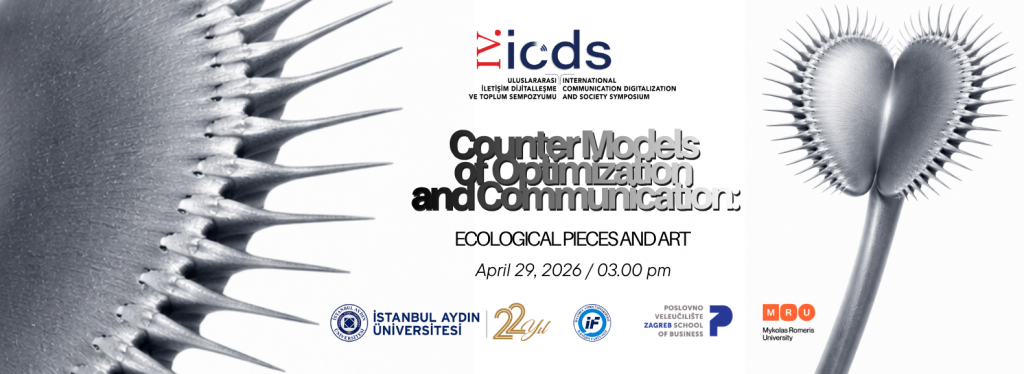
The Venus Flytrap as a Form of Algorithmic Epistemology
The Venus flytrap is reimagined not as a natural organism but as an epistemological model of the data age—an aestheticized mechanism of capture. No longer a biological reflex, the trap becomes a system of selection, filtration, and ingestion, capturing not physical prey but signals. At its center, the minimal light signifies data rather than matter, pointing to a reality that is no longer experienced as a whole but reconstructed as divisible, selectable, and processable—much like digital platforms. The act of closing transforms into a form of decision-making, where each capture simultaneously includes and excludes, embodying an algorithmic logic in which truth is not discovered but selected and optimized. Its smooth, sterile surface visualizes this shift toward hyperreality, where performance replaces authenticity.
This form also marks a transition from organism to system: despite its organic appearance, it no longer feeds or evolves but functions solely as an operational mechanism that collects, compresses, and retains data. Each captured signal becomes input for future predictions, turning the trap into a predictive machine rather than a passive archive. In this sense, the Venus flytrap no longer represents nature but models a contemporary knowledge regime in which the world is not observed but captured, processed, and continuously re-produced through algorithmic operations of selection, filtration, and prediction.
Beyond Optimization: Ecology, Art, and Counter-Knowledge Systems
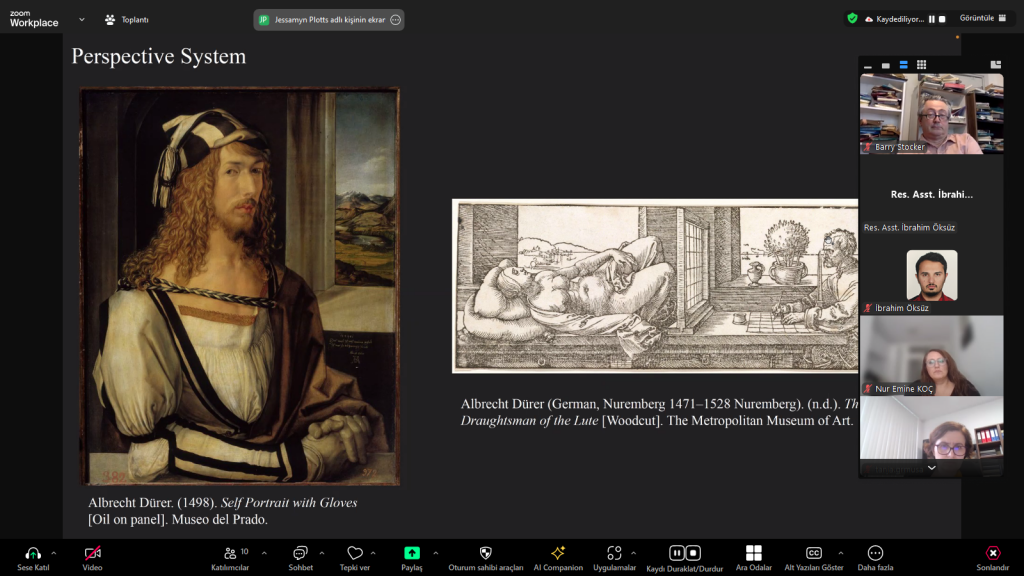
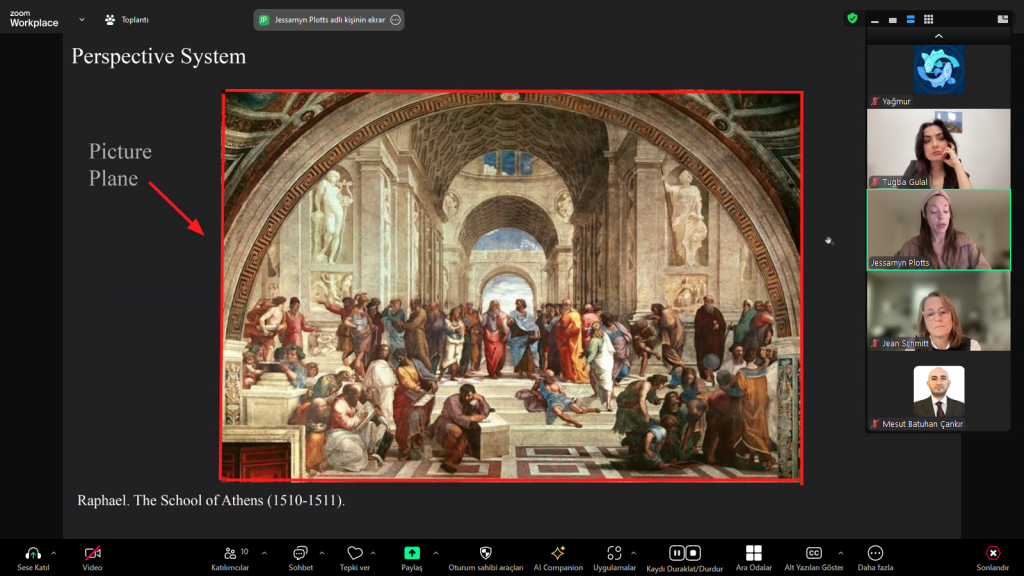
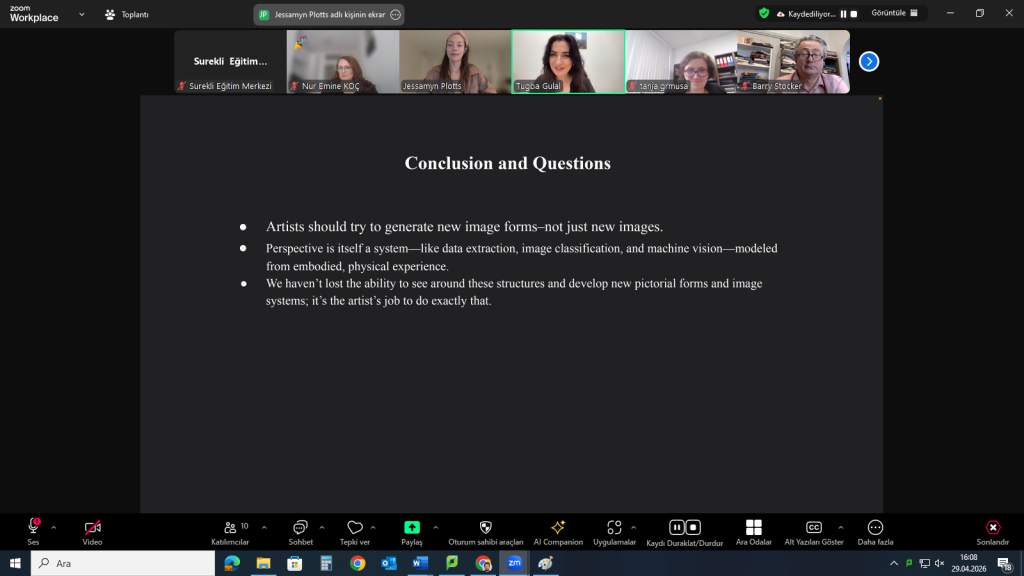
Counter models of optimization suggest fluid, non-stable, and embedded knowledge for an alternative epistemological dimension between art, communication, and political agency. Within this regard, it is created through nature, platforms, and human interaction as a dialectical process. Alternatively, ecological pieces of art are not only a medium for the practices but also transform into the essence of human-nature interaction by creating counter-spheres for the future of optimization. This panel deepens this relation across art, communication, and philosophy to explore the concept of optimization as not a source but a performative aspect of human life, nature, and art.
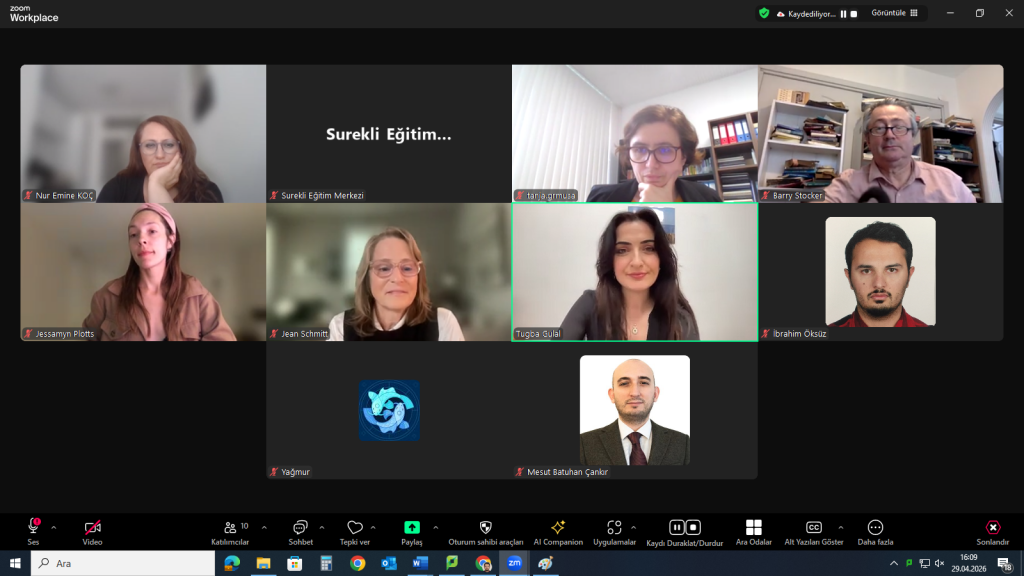
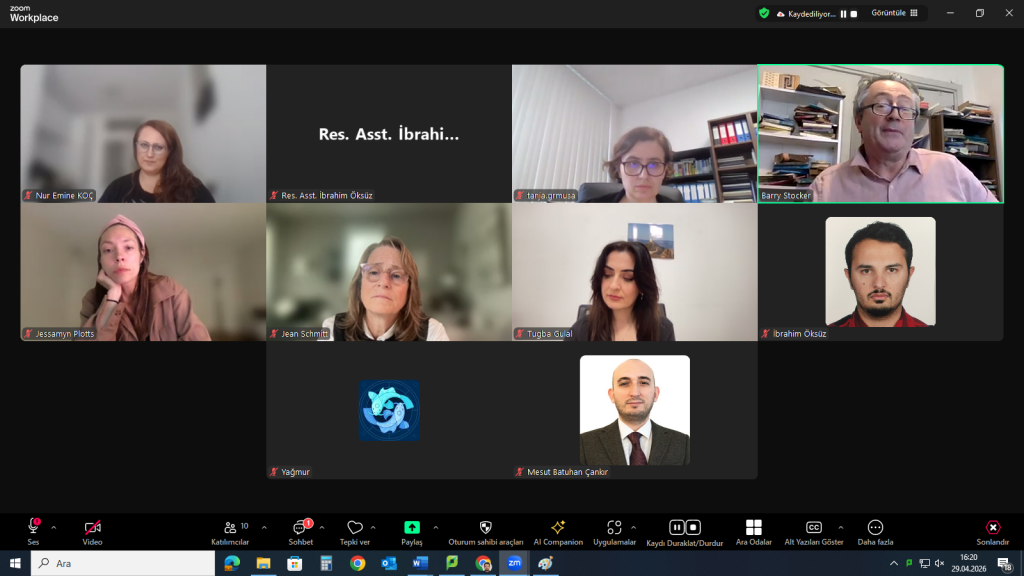
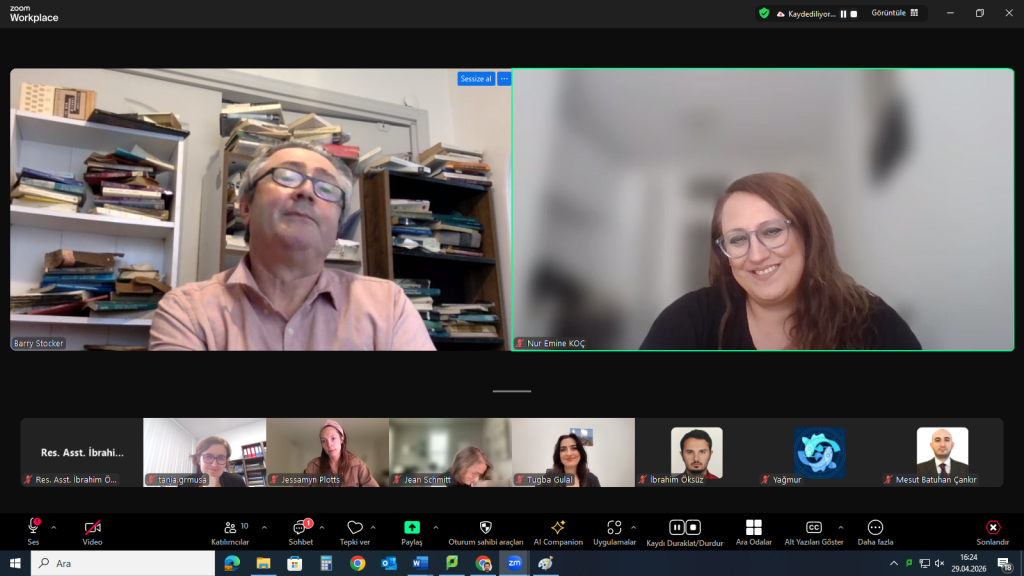
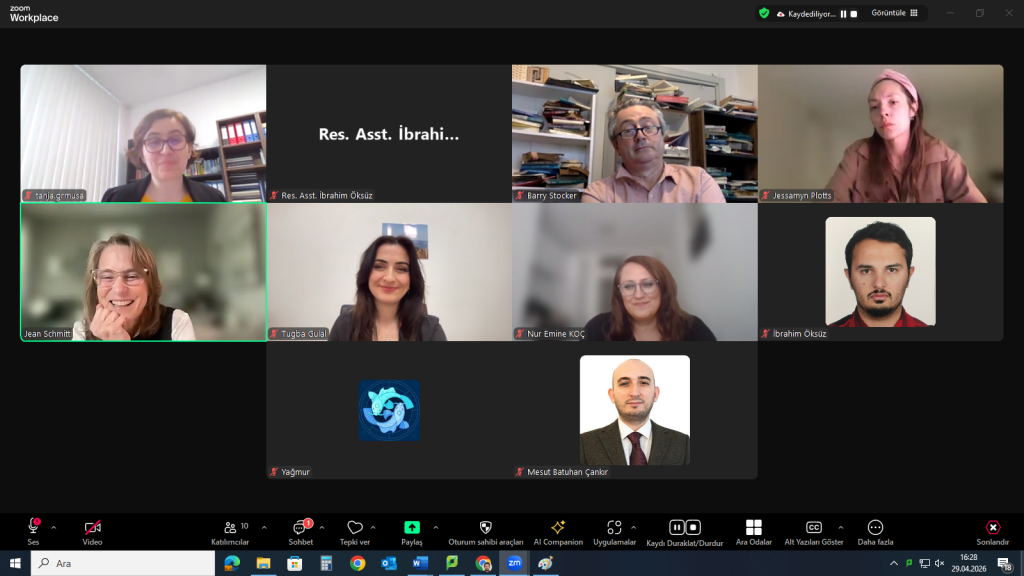
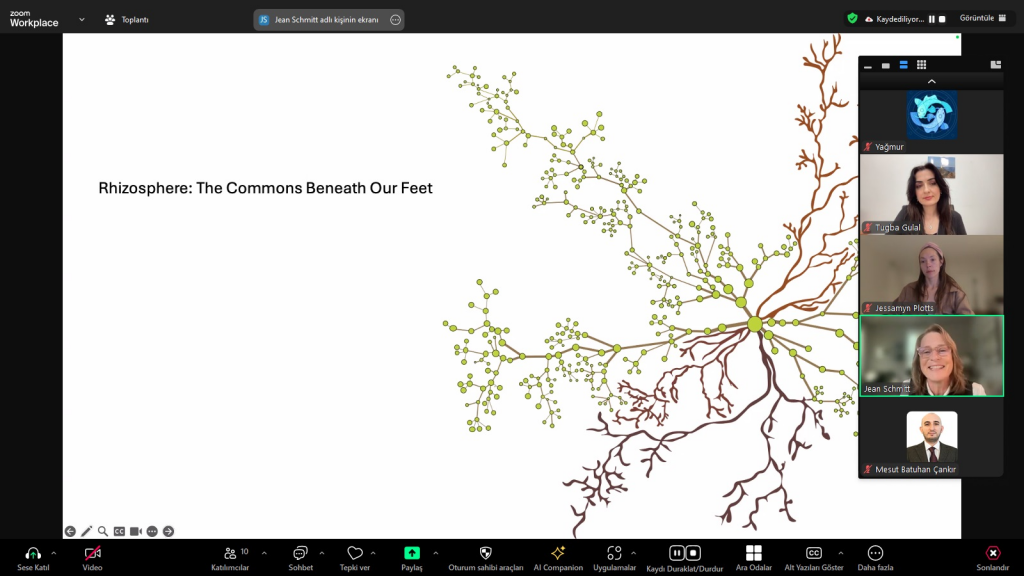
ICDS will feature an exclusive panel titled “Counter Models of Optimization and Communication: Ecological Pieces and Art,” where ecology meets art in a conversation on alternative systems of thinking, making, and communicating. Hosted by Istanbul Aydın University Faculty of Communication, the panel will be held in a hybrid format on April 29, 2026 at 03:00 PM.
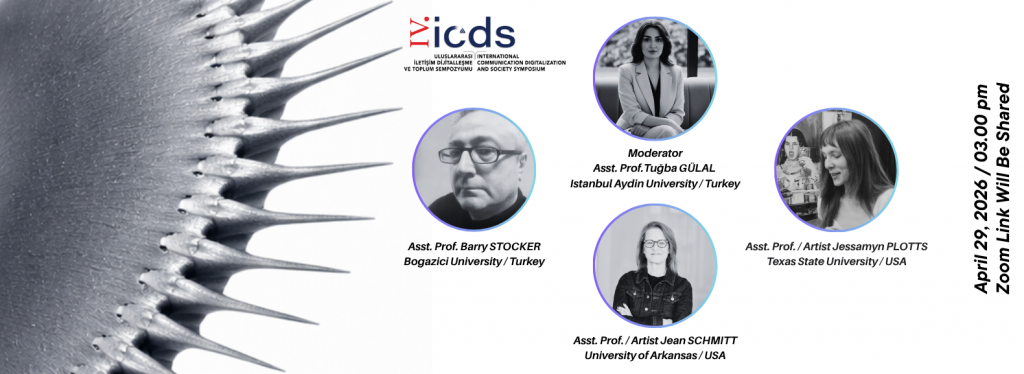
Speakers:
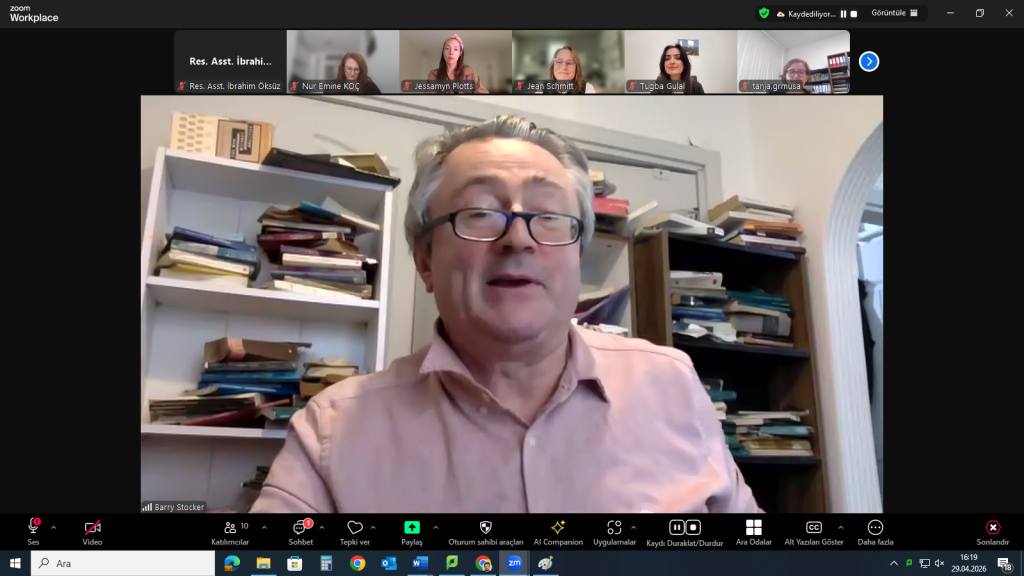
Asst. Prof. Barry Stocker (Bogazici University, Turkey)
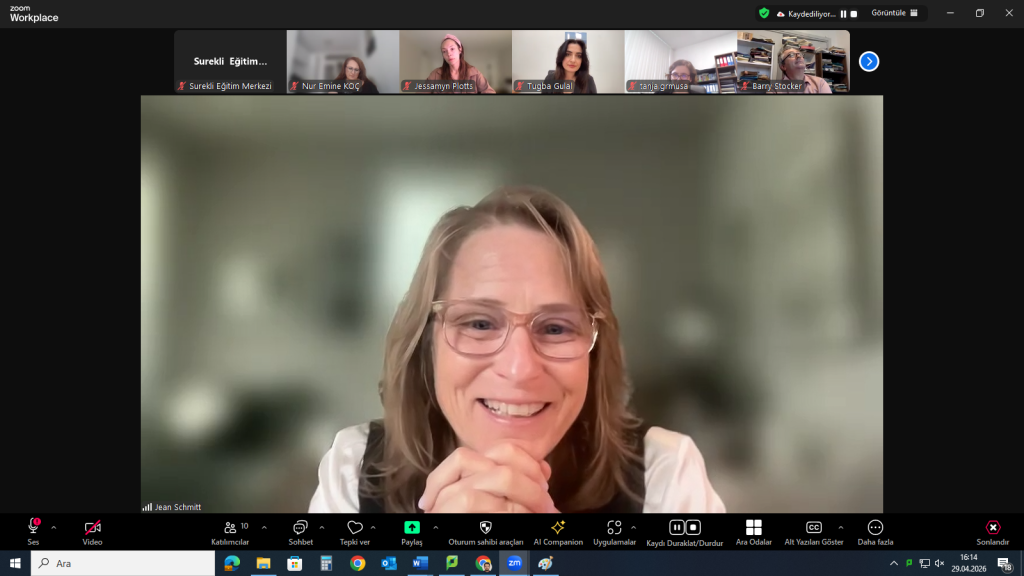
Asst. Prof. / Artist Jean Schmitt (University of Arkansas, USA)
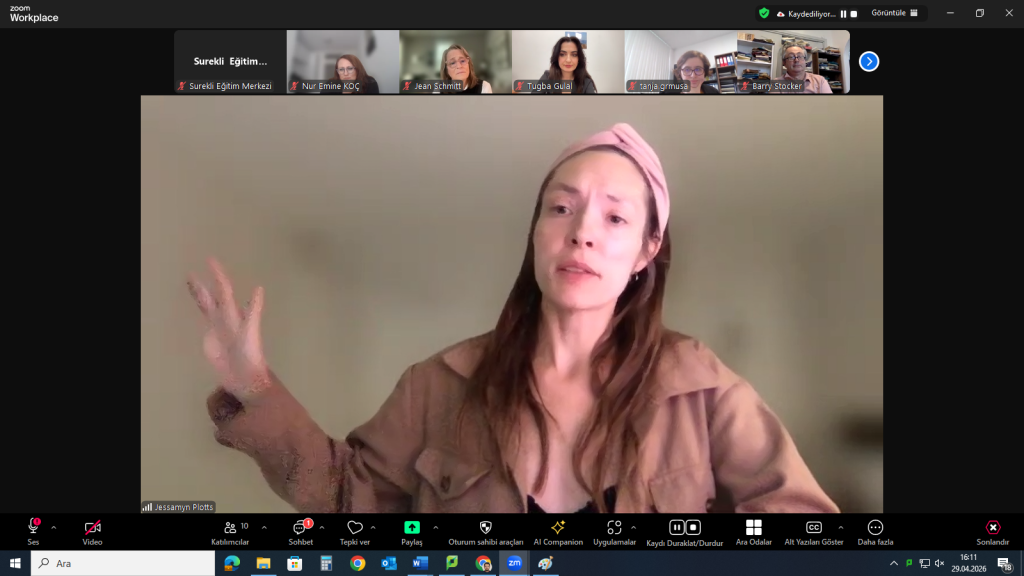
Asst. Prof. / Artist Jessamyn Plotts (Texas State University, USA)
Moderator:
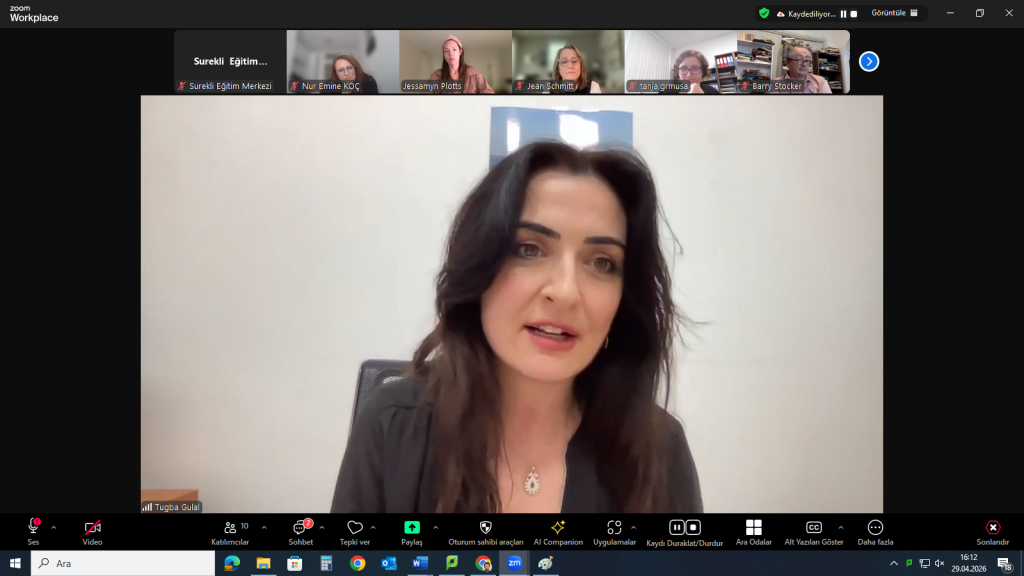
Asst. Prof. Tuğba GÜLAL (Istanbul Aydin University, Turkey)
Panel Photos